Organizer 
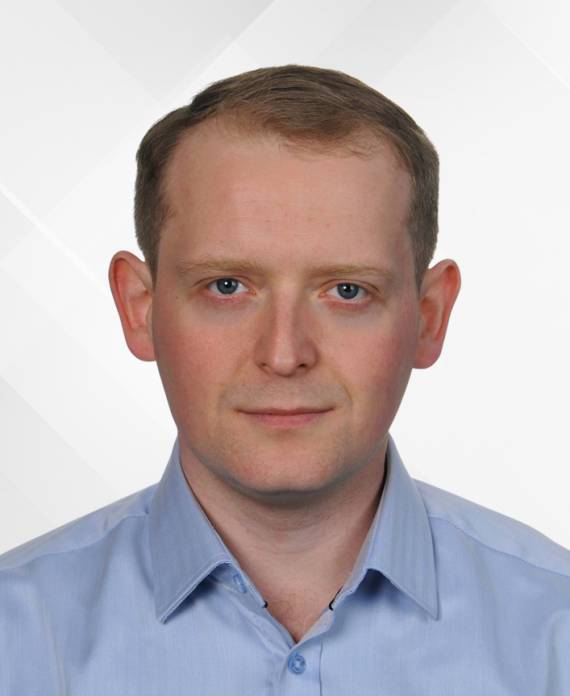
Kamil Sobczyk is Head of the Western Analysis Division at Poland’s National Security Bureau (BBN). He has been engaged in security and defence policy since 2012. For the past four years, he has led a team of experts within the National Security Bureau, focusing on NATO’s deterrence and defence posture as well as Poland–United States security cooperation. His areas of expertise include Euro-Atlantic security, transatlantic relations, and strategic challenges facing Poland and the NATO Alliance.
Kamil Sobczyk
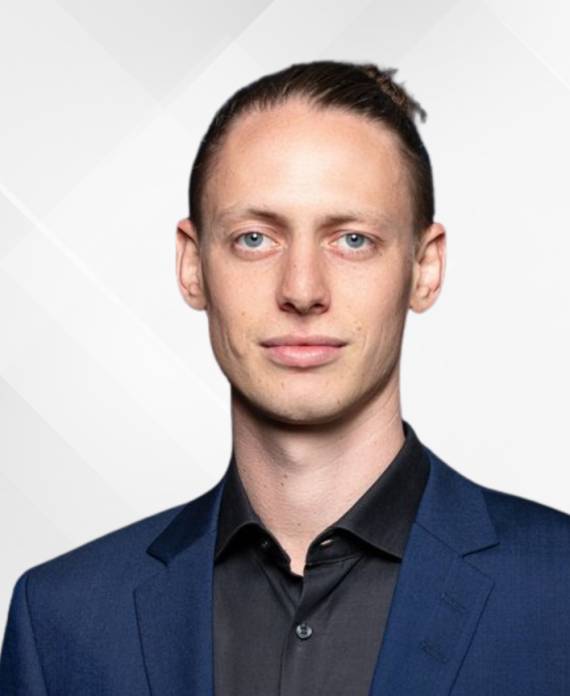
Lucian Bumeder is a researcher in the Arms Control and Emerging Technologies Research group. Since April 2023, he has been part of the Challenges to Deep Cuts project, where he coordinates the Young Deep Cuts Commission. Prior to joining IFSH, he worked as a policy aide in the office of Merle Spellerberg, who serves on the Defense Committee of the German Bundestag, and collaborated with the transnational journalist network n-ost. Lucian studied Political Science (B.A.) and International Relations (M.A.) at Freie Universität Berlin and the Moscow State Institute of International Relations (MGIMO), with an academic stay at Tulane University in New Orleans.
Lucian Bumeder
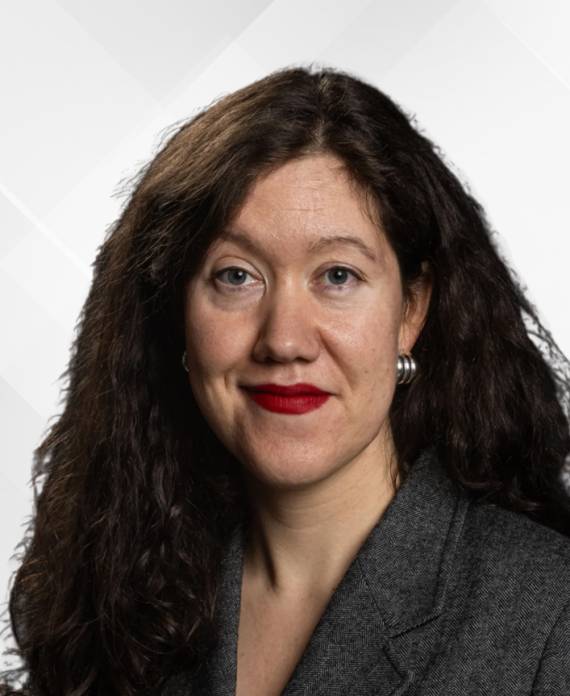
Lea Berriault – Head of Advisory Services at Geopolitical Intelligence Services (GIS), a premier forecasting and analysis firm founded by H.S.H. Prince Michael of Liechtenstein, where she leads geostrategic advisory projects. She holds a master’s degree in International Relations from Collegium Civitas in Warsaw, as well as a bachelor’s degree in Russian studies from Carleton University in her native Ottawa. She previously worked in strategic communications and diplomacy, including with the Google Digital News Initiative and the British Embassy in Warsaw.
Lea Berriault
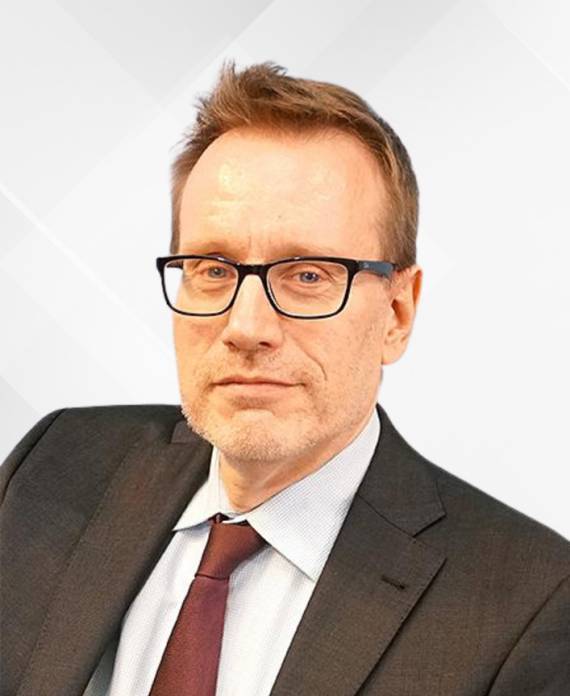
Rüdiger Strempel has served as the Executive Secretary of the Helsinki Commission (HELCOM) since 2019, bringing a background as an international lawyer specialized in global marine conservation policy. Throughout his extensive diplomatic career, he has headed the secretariats of UNEP/ASCOBANS and the Common Wadden Sea Secretariat (CWSS), and has consulted for various UN agencies, including the UNFCCC. He holds deep, long-standing ties to the Baltic region, having chaired the ASCOBANS Baltic Sea Steering Group ("Jastarnia Group") from 2009 to 2017, and previously served on the Advisory Board of the Baltic Centre of Excellence at the University of Gdańsk. Additionally, he brings a rich background as a journalist and professional expert in strategic communications.
Rüdiger Strempel
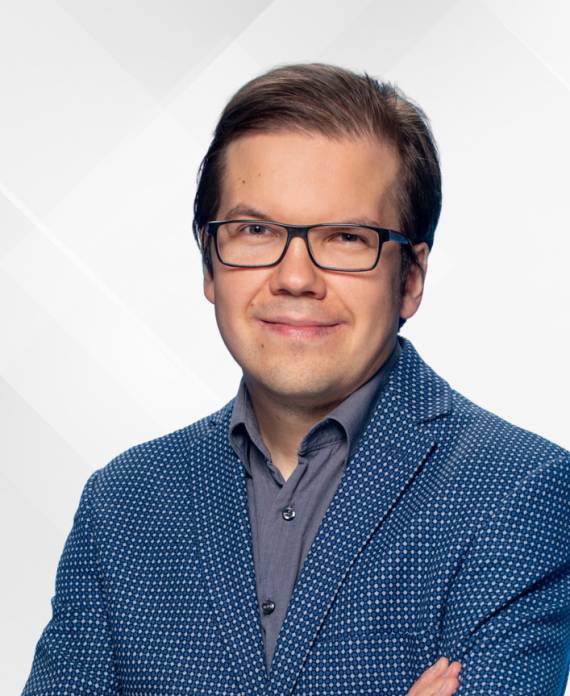
Dr. Andrzej Kozłowski is an expert in cybersecurity and disinformation. He serves as an Associate Professor at the University of Lodz and as a Threat & Intelligence Specialist at NaviRisk. Previously, he led the Narrative Trends Analysis and Fact-Checking Team at NASK, where he focused on information operations and countering manipulation in the digital environment. He holds a PhD in Political Science, is the author of numerous publications, and has participated in prestigious international professional programs, including the U.S. Department of State’s International Visitor Leadership Program (IVLP) and Fulbright Journalistic Challenges and Practices. His research interests focus on cybersecurity, disinformation, and information threats.
Dr Andrzej Kozłowski
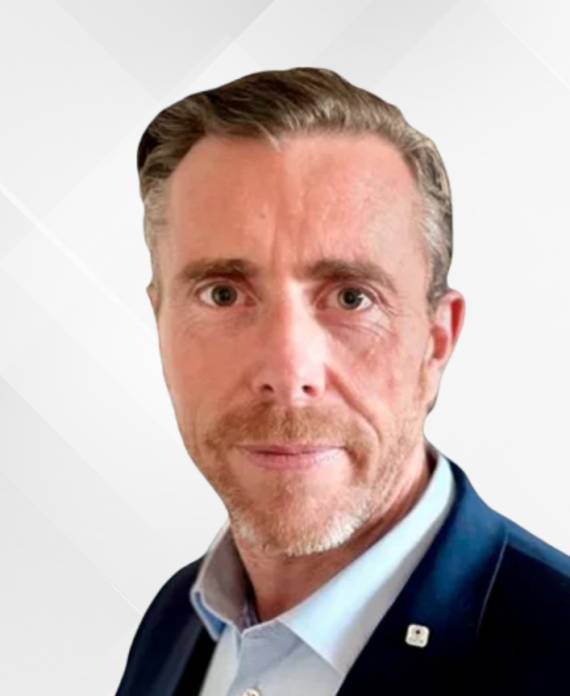
Ruben Stewart is a Senior Fellow for Land Warfare at the International Institute for Strategic Studies (IISS), where he leads research on modern conflicts, military tactics, and army transformation. He combines strategic analysis with extensive operational experience as a former infantry officer in the New Zealand Defence Force (NZDF), including a UN mission in East Timor. He also gained expertise within the ICRC and OCHA (UN), managing military-humanitarian relations in conflict zones across Africa, Asia, and the Middle East. In his research, he specializes in military operations and the impact of emerging technologies - including AI and unmanned systems - on battlefield effectiveness.
Ruben Stewart

Captain (Naval, Ret.) Jukka Savolainen is Director of the Community of Interest on Vulnerabilities and Resilience at Hybrid CoE. He previously served as Commander of the West Finland Coast Guard District (2012–2017) and Head of the EU Police Mission in Afghanistan (2010–2012). Between 2002 and 2006, he worked in Brussels as a border security counsellor at the Finnish Permanent Representation to the EU and as a national expert at the Council’s DG HOME, contributing to the development of Integrated Border Management and risk analysis concepts for border security. His current work focuses on hybrid threats and the resilience of critical systems in Western societies.
Jukka Savolainen
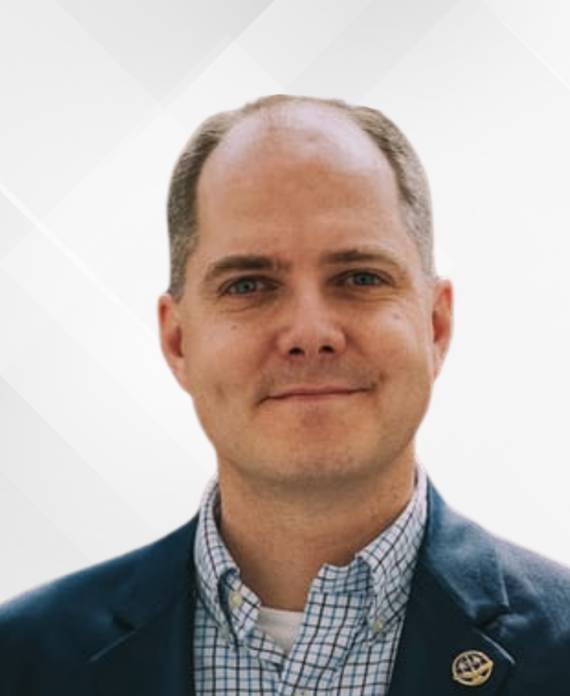
Jan Rafael Lupoměský is a Czech political analyst and political risk consultant specializing in Central Europe and the Three Seas Initiative. He has advised the President of the Czech Republic, the Minister of Defence, national and European parliamentarians, and served as a senior legislative analyst for the Union of Small and Medium-Sized Enterprises. He currently advises foreign investors and institutions through LupoKorn Advisory. A frequent media commentator, he provides expert analysis on politics, security, and international affairs and regularly speaks at conferences on regional cooperation and geopolitics. He is also affiliated with the Warsaw Institute, focusing on Central European affairs and regional integration.
Jan Rafael Lupoměský
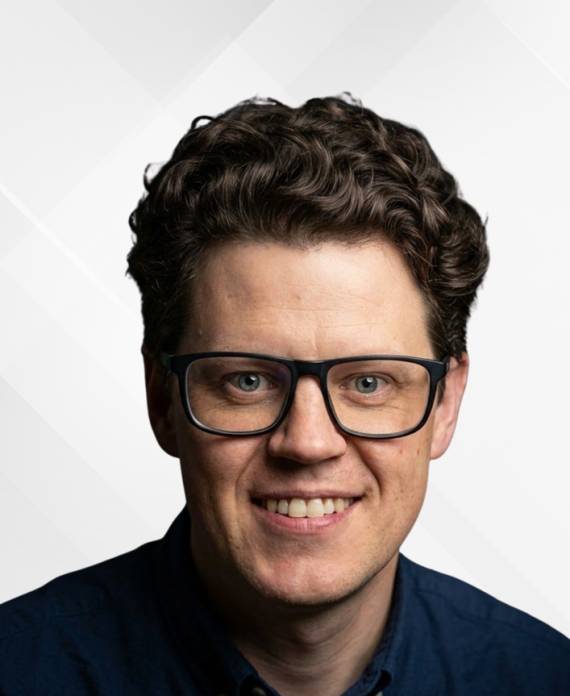
Konrad Muzyka is the founder and director of Rochan Consulting, an OSINT firm focused on military assessments of Russia, Belarus, and Ukraine. His work specializes in force structure analysis, military capabilities, and strategic warning, making him a leading expert on Eastern European security since Russia’s full-scale invasion of Ukraine. He advises international organizations, consultancies, and think tanks. A graduate of the University of Hull (War and Security Studies) and University College London (Russian Studies), he is also a Non-Resident Senior Fellow at the Foreign Policy Research Institute. His analysis is frequently cited by major international media and policy institutions.
Konrad Muzyka
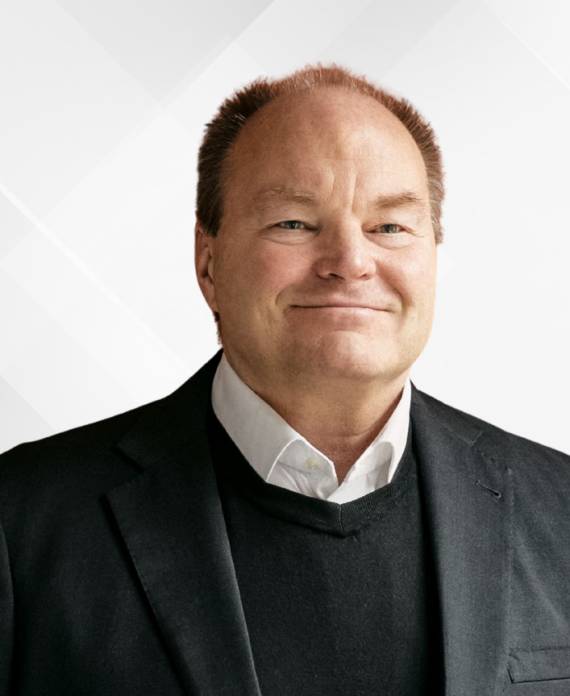
Thomas Becker is Managing Director of STRING, one of Northern Europe’s largest cross-border regional cooperation networks, bringing together cities and regions across four countries and representing around 14 million people. He specializes in climate policy, energy transition, infrastructure development, and regional integration. Previously, he served in senior positions within the Danish government, including Deputy Permanent Secretary at the Ministry of Climate and Energy and Deputy Minister for Foreign Affairs. His expertise focuses on green transition, cross-border cooperation, and long-term strategic development.
Thomas Becker
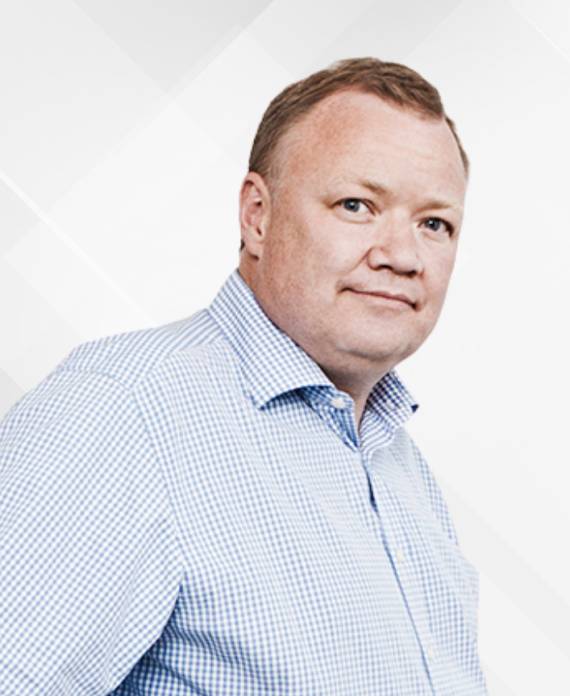
John Strand is CEO and founder of Strand Consult (since 1995), one of the leading telecom and digital policy analysis firms. He specializes in mobile markets, regulation, and digital transformation, and is known for early assessments of 3G, MVNOs, the iPhone, WiMAX, and OpenRAN. His work combines technical expertise with regulatory and geopolitical analysis, focusing on EU telecom policy, infrastructure economics, network security, and risks linked to Chinese vendors and supply chains. He advises governments, regulators, and multinational companies.
John Strand
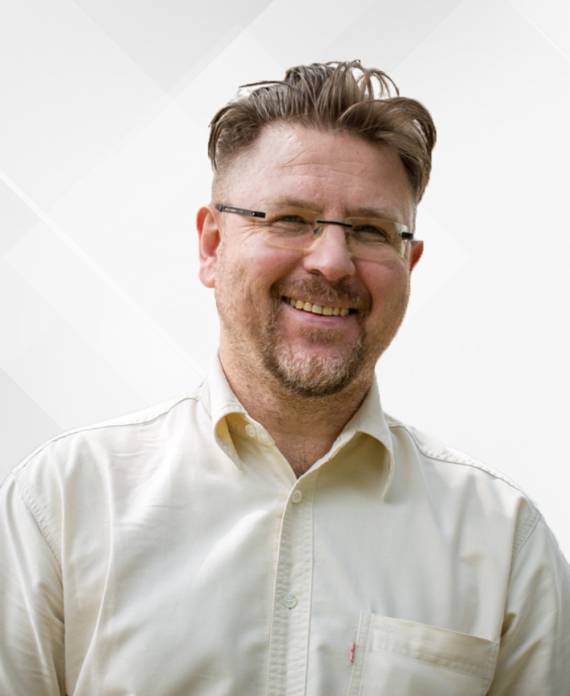
Prof. Ryszard M. Machnikowski is Dean of the Faculty of International and Political Studies at the University of Łódź. Since 2022, he has headed the Centre for Strategic Analysis and Forecasting at the Faculty, and since 2023 he has also been the Head of the Department of Foreign Policy and Security Theory. He is an expert for the National Science Centre (Poland) and serves in advisory capacities for the Conseil Supérieur de la Formation et de la Recherche Stratégique and the Equipe Sécurité Défense at CNAM in Paris. He is also a member of the Scientific Council of the Master’s programme in Criminology at CNAM and has previously collaborated on the Countering Lone Actor Terrorism project at the Institute for Strategic Dialogue in London.
Prof. Ryszard Machnikowski
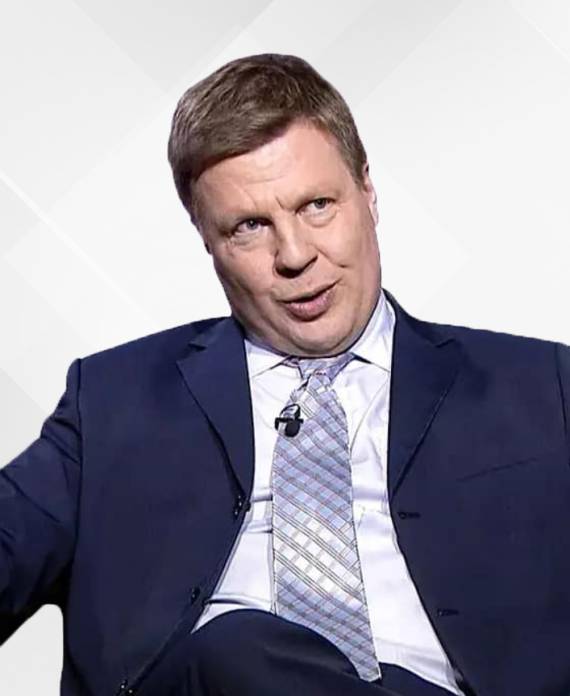
Timo Hellenberg is the CEO of Hellenberg International Ltd. and a globally recognized security expert. He has served as Special Adviser to the Prime Minister of Finland on EU affairs and has advised several government agencies across Europe, the United States, Russia, and Southeast Asia. For over twenty years, he has published and worked as an expert in international relations and political science, and has been affiliated with the University of Helsinki and the University of Tampere.
Prof. Timo Hellenberg
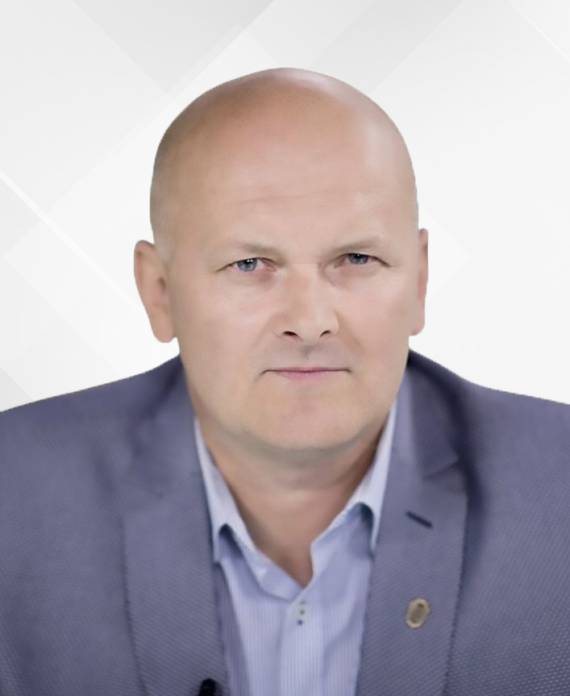
Col. (Ret.) Vaidotas Malinionis - Director, National Defence Foundation; Director, Association of Colonels, as well as Managing Director of the Lithuanian Defence and Security Industry Association. He has played a key role in shaping the Lithuanian and Baltic defence industry, leading initiatives such as MILEX, MAPEX, and operational-level wargaming exercises. His leadership experience includes significant involvement in the European Battle Group (EUBG), reflecting his long-standing commitment to national and regional security.
Col. (Ret.) Vaidotas Malinionis
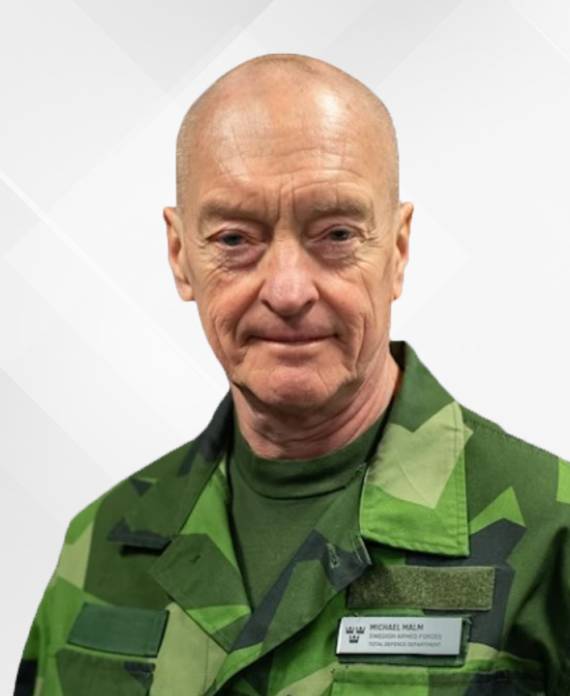
Michael Malm is a Senior Defence Adviser in the Defence Staff of the Swedish Armed Forces, within the Directorate of Strategic Plans and Policy. He has extensive experience across the armed forces, the defence research community, and the private sector.
Michael Malm
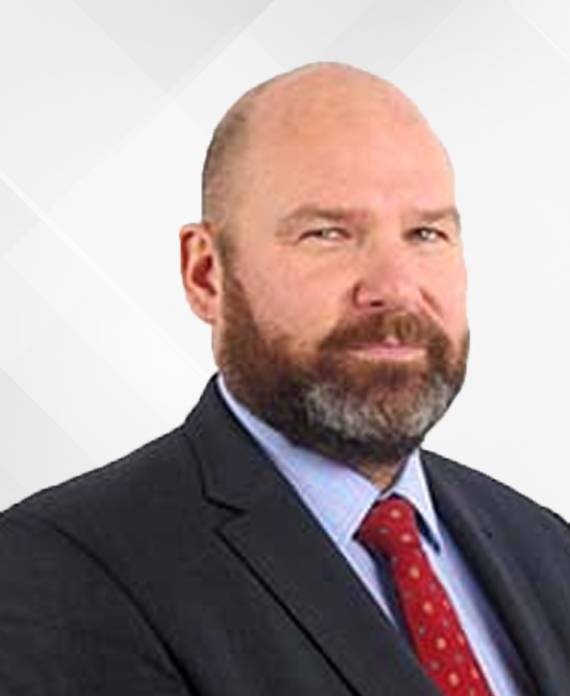
Dr. Niklas Swanström, Director and co-founder of the Institute for Security and Development Policy (ISDP), is a security expert and Fellow at the Johns Hopkins SAIS Foreign Policy Institute, as well as Senior Associate Research Fellow at Italian Institute for International Political Studies. His expertise includes supply chain security, cyber warfare, disinformation, Chinese foreign policy, Northeast Asian security, and the Belt and Road Initiative. He studies traditional and non-traditional threats, their impact on stability, and conflict management. He has authored numerous publications on Eurasian geopolitics, China–Japan relations, and international security. He holds a PhD in Peace and Conflict Research from Uppsala University.
Dr Niklas Swanström
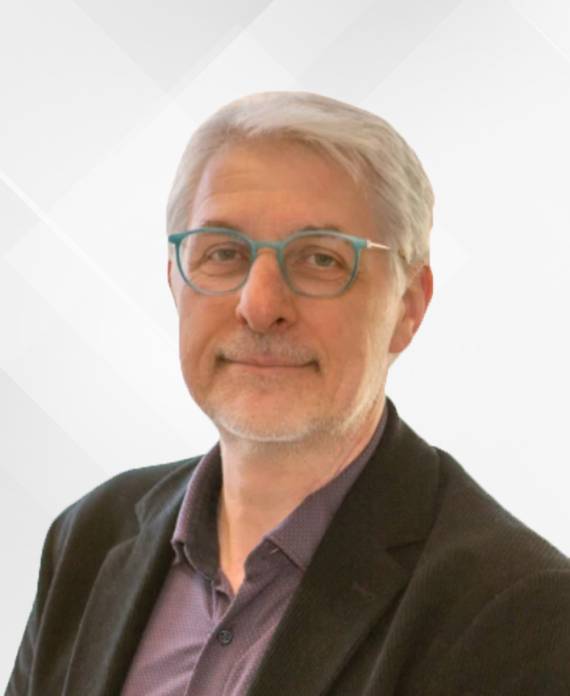
Ulrich Schneckener is a Professor of International Relations and Peace and Conflict Studies at the University of Osnabrück in Germany. He also serves as Chair of the Board of the German Foundation for Peace Research. He is an expert in EU security, enlargement policy, and neighbourhood policy. His current research focuses on the broader international and security implications of Russia’s war of aggression, with a particular regional interest in Ukraine, Moldova, Poland, and Romania.
Prof. Ulrich Schneckener
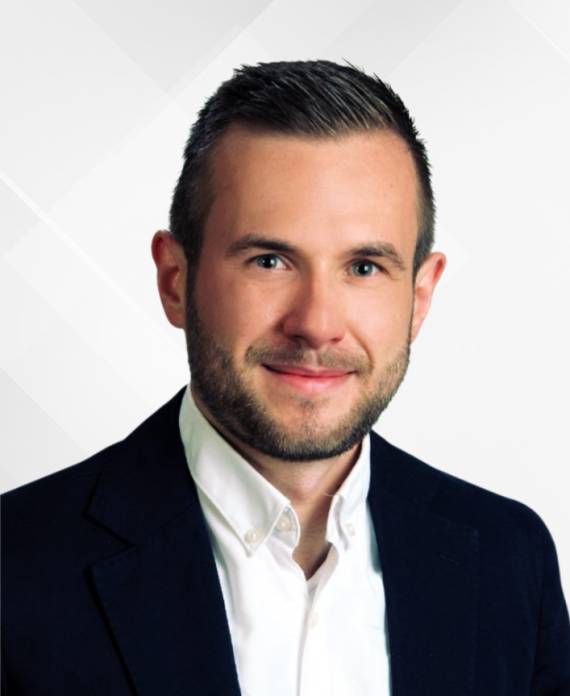
Dr. Julian Pawlak is a researcher at the International Security Division of German Institute for International and Security Affairs and a NextGen Associate Fellow at the NATO Defence College. His expertise covers security and defense policy, maritime strategy, and strategic studies, with a focus on NATO’s northern flank, the Baltic Sea region, and Northern and Eastern Europe. Previously affiliated with Helmut Schmidt University, GIDS, and Kiel University, he has authored numerous publications and frequently contributes analysis to leading international media, including The New York Times, Foreign Policy, El País, SPIEGEL, and WIRED.
Dr Julian Pawlak
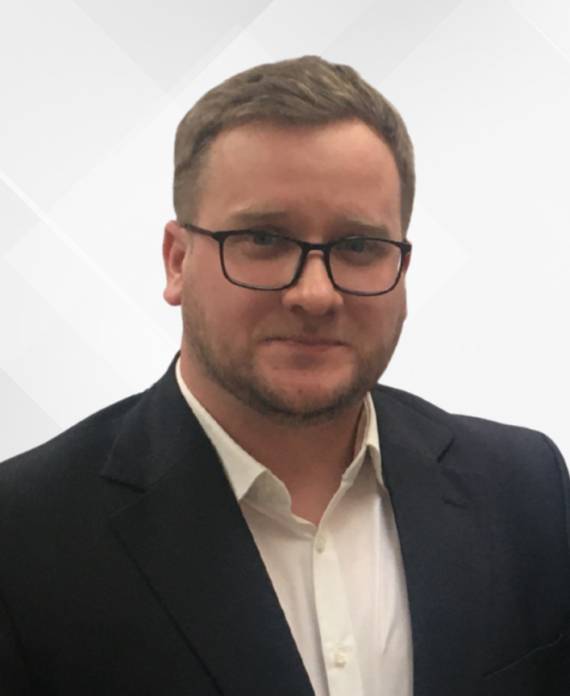
Dr Wojciech Lieder – Founder, initiator, and President of the Nordic Institute Foundation. For the past 20 years, he has been conducting research on the Nordic region, combining academic expertise with practical experience. He studied at the University of Łódź, Malmö University, Stockholm University, and the University of Southern Denmark in Odense, and gained professional experience at institutions such as State Street Bank, PwC, and Amazon. Doctor of Social Sciences.
Dr Wojciech Lieder