
North Star Forum 2026

September 3, 2026, Władysławowo, Poland

Organizer Nordic Institute

North Star Forum Where Sound Decisions Begin

The Baltic Sea region is no longer merely an area of regional cooperation. Today, it stands as one of the key pillars of European security, where political, economic, and strategic interests of Northern European states intersect. Following the accession of Finland and Sweden to NATO, the Baltic Sea has effectively become a central theatre of Europe’s security architecture, encompassing not only military considerations but also the protection of critical infrastructure, maritime and energy security, and the resilience of states and societies.

In this context, regional cooperation frameworks such as the Council of the Baltic Sea States gain particular importance. The Council operates on a rotating presidency among its member states, allowing each country to shape the regional agenda in turn. Poland actively participates in this process, contributing to the development of cooperation priorities and the strengthening of regional resilience. Within this setting, Władysławowo – located on the Baltic coast, at the intersection of key transport routes and strategic interests – provides a natural venue for high-level debate on the future of Northern Europe.

The North Star Forum in Władysławowo is an expert forum dedicated to security, politics, and the economy of the Baltic Sea region. The event, organized by the Instytut Nordycki, creates a platform for in-depth analysis and substantive debate on the key challenges facing the region.

The Forum brings together analysts, experts, representatives of public institutions, and the business community, all working jointly to better understand geopolitical processes, economic transformation, and evolving security dynamics.

The starting point of the North Star Forum is the belief that sound decisions are built on rigorous analysis and a deep understanding of reality. In this context, the Baltic Sea region is seen not only as a distinct area of cooperation, but also as a space profoundly shaped by broader international conditions and global political and economic processes.

Accordingly, the Forum focuses on both regional dynamics and external imperatives shaping the security and development environment. A key emphasis is placed on the exchange of knowledge, the confrontation of perspectives, and the formulation of practical recommendations that can support decision-making processes.

The North Star Forum is a space for dialogue, where knowledge meets experience and reflection is translated into concrete recommendations.

The strength and accuracy of decisions depend on the quality of advice.

Key Features of North Star Forum

North Star Forum 2026

Time left until the conference

Days
:
Hours
:
Minutes
:
Seconds
NSF 2026

Event program

September 3, 2026, Władysławowo, Poland

Panel 1

Clean Sea, Safe Land: Redressing Threat Asymmetries in the Baltic Sea Region

This opening panel evaluates Baltic security through regional asymmetries and key geographic choke points. Bridging local and macro perspectives, it explores how municipal and infrastructure investments across the Pomeranian and other Baltic regions fortify national resilience and sustain the Nordic-Baltic economic models. Discussions will address sub-threshold tactics, from the ecological threats of the “shadow fleet” to corporate cyber espionage. Ultimately, the session examines the nexus between environmental security and long-term stability, focusing on how Baltic Sea littoral states can leverage their economic capabilities and market power to transition from reactive crisis management toward a proactive security architecture.

Panel 2

Digital Wall and Maritime Horizon: AI in Strategic Border Protection

Bringing together border security experts, defense technology pioneers, and strategic analysts, this panel examines the operational integration of Artificial Intelligence in safeguarding land and maritime frontiers. The discussion focuses on building an advanced “Digital Wall”—leveraging autonomous surveillance, predictive analytics, and real-time data fusion to counter sophisticated hybrid threats. By bridging tactical frontline experience from the Baltic and Nordic borders with corporate technological innovation, the session addresses both the strategic necessity of public-private cooperation and the geopolitical implications of tech-driven deterrence.

Panel 3

The Baltic Consensus: The Strategic Dimension of Security Policy in the Baltic Region

Focusing on the political architecture of regional defense, this panel explores the prospects for deepening strategic cohesion among Nordic and Baltic nations. In the wake of recent geopolitical shifts, the discussion will analyze the convergence of national security doctrines and the political mechanisms required to sustain a unified deterrence posture. Panelists will address challenges to regional consensus, including infrastructure resilience and supply chain dependencies, evaluating how institutional cooperation can effectively align national political priorities with collective, long-term security objectives in the Baltic basin.

Panel 4

From Reactive Defence to Strategic Initiative: Redefining the Logic of Action in Security

Moving beyond passive crisis management, this session explores how to reject an opponent’s logic by shifting from reactive defense to strategic initiative. The discussion will focus on active deterrence and systematically limiting the adversary’s freedom of action to neutralize escalation. Panelists will also dissect the critical narrative dimension of modern conflict, examining how imposing one’s own interpretative framework shapes the strategic environment. Ultimately, the panel tackles how Baltic and Western allies can preserve both operational and communicational initiative, preventing external actors from dictating the rules of the game.

Participants

Captain (Naval, Ret.) Jukka Savolainen is Director of the Community of Interest on Vulnerabilities and Resilience at Hybrid CoE. He previously served as Commander of the West Finland Coast Guard District (2012–2017) and Head of the EU Police Mission in Afghanistan (2010–2012). Between 2002 and 2006, he worked in Brussels as a border security counsellor at the Finnish Permanent Representation to the EU and as a national expert at the Council’s DG HOME, contributing to the development of Integrated Border Management and risk analysis concepts for border security. His current work focuses on hybrid threats and the resilience of critical systems in Western societies.

Jukka Savolainen
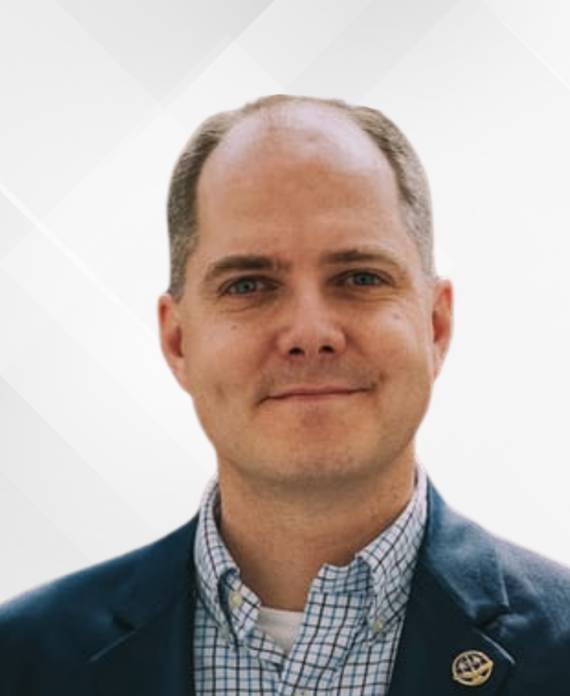
Jan Rafael Lupoměský is a Czech political analyst and political risk consultant specializing in Central Europe and the Three Seas Initiative. He has advised the President of the Czech Republic, the Minister of Defence, national and European parliamentarians, and served as a senior legislative analyst for the Union of Small and Medium-Sized Enterprises. He currently advises foreign investors and institutions through LupoKorn Advisory. A frequent media commentator, he provides expert analysis on politics, security, and international affairs and regularly speaks at conferences on regional cooperation and geopolitics. He is also affiliated with the Warsaw Institute, focusing on Central European affairs and regional integration.

Jan Rafael Lupoměský

Konrad Muzyka is the founder and director of Rochan Consulting, an OSINT firm focused on military assessments of Russia, Belarus, and Ukraine. His work specializes in force structure analysis, military capabilities, and strategic warning, making him a leading expert on Eastern European security since Russia’s full-scale invasion of Ukraine. He advises international organizations, consultancies, and think tanks. A graduate of the University of Hull (War and Security Studies) and University College London (Russian Studies), he is also a Non-Resident Senior Fellow at the Foreign Policy Research Institute. His analysis is frequently cited by major international media and policy institutions.

Konrad Muzyka
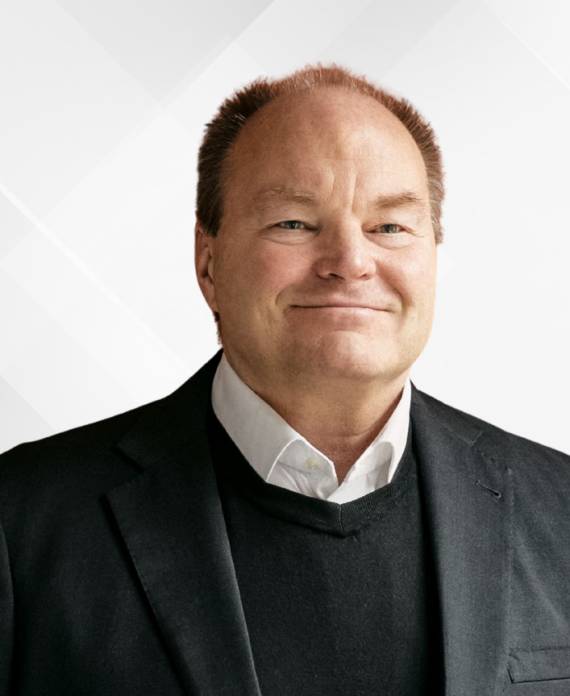
Thomas Becker is Managing Director of STRING, one of Northern Europe’s largest cross-border regional cooperation networks, bringing together cities and regions across four countries and representing around 14 million people. He specializes in climate policy, energy transition, infrastructure development, and regional integration. Previously, he served in senior positions within the Danish government, including Deputy Permanent Secretary at the Ministry of Climate and Energy and Deputy Minister for Foreign Affairs. His expertise focuses on green transition, cross-border cooperation, and long-term strategic development.

Thomas Becker

John Strand is CEO and founder of Strand Consult (since 1995), one of the leading telecom and digital policy analysis firms. He specializes in mobile markets, regulation, and digital transformation, and is known for early assessments of 3G, MVNOs, the iPhone, WiMAX, and OpenRAN. His work combines technical expertise with regulatory and geopolitical analysis, focusing on EU telecom policy, infrastructure economics, network security, and risks linked to Chinese vendors and supply chains. He advises governments, regulators, and multinational companies.

John Strand
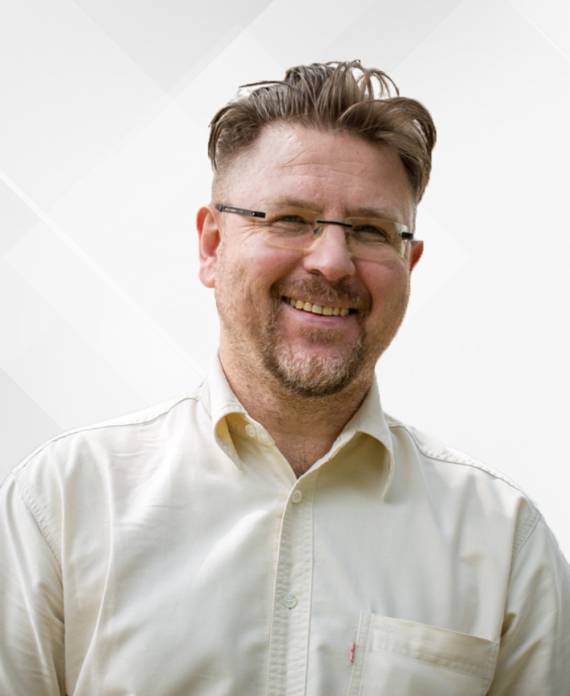
Prof. Ryszard M. Machnikowski is Dean of the Faculty of International and Political Studies at the University of Łódź. Since 2022, he has headed the Centre for Strategic Analysis and Forecasting at the Faculty, and since 2023 he has also been the Head of the Department of Foreign Policy and Security Theory. He is an expert for the National Science Centre (Poland) and serves in advisory capacities for the Conseil Supérieur de la Formation et de la Recherche Stratégique and the Equipe Sécurité Défense at CNAM in Paris. He is also a member of the Scientific Council of the Master’s programme in Criminology at CNAM and has previously collaborated on the Countering Lone Actor Terrorism project at the Institute for Strategic Dialogue in London.

Prof. Ryszard Machnikowski

Timo Hellenberg is the CEO of Hellenberg International Ltd. and a globally recognized security expert. He has served as Special Adviser to the Prime Minister of Finland on EU affairs and has advised several government agencies across Europe, the United States, Russia, and Southeast Asia. For over twenty years, he has published and worked as an expert in international relations and political science, and has been affiliated with the University of Helsinki and the University of Tampere.

Prof. Timo Hellenberg
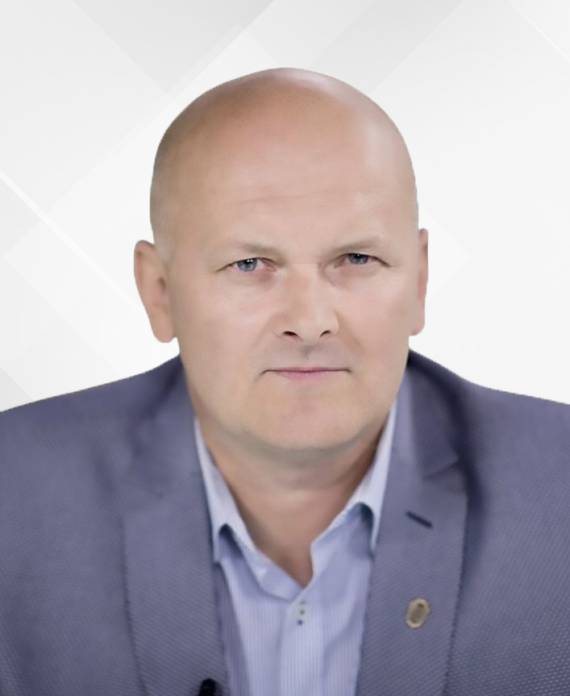
Retired Col. Vaidotas Malinionis is the Founder and Managing Director of the National Defence Foundation and the Association of Colonels, as well as Managing Director of the Lithuanian Defence and Security Industry Association. He has played a key role in shaping the Lithuanian and Baltic defence industry, leading initiatives such as MILEX, MAPEX, and operational-level wargaming exercises. His leadership experience includes significant involvement in the European Battle Group (EUBG), reflecting his long-standing commitment to national and regional security.

Retired Col. Vaidotas Malinionis
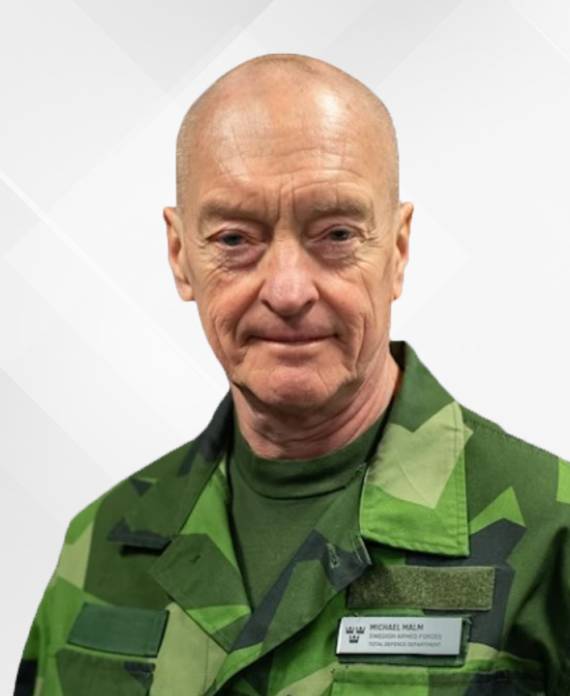
Michael Malm is a Senior Defence Adviser in the Defence Staff of the Swedish Armed Forces, within the Directorate of Strategic Plans and Policy. He has extensive experience across the armed forces, the defence research community, and the private sector.

Michael Malm

Dr. Niklas Swanström, Director and co-founder of the Institute for Security and Development Policy (ISDP), is a security expert and Fellow at the Johns Hopkins SAIS Foreign Policy Institute, as well as Senior Associate Research Fellow at Italian Institute for International Political Studies. His expertise includes supply chain security, cyber warfare, disinformation, Chinese foreign policy, Northeast Asian security, and the Belt and Road Initiative. He studies traditional and non-traditional threats, their impact on stability, and conflict management. He has authored numerous publications on Eurasian geopolitics, China–Japan relations, and international security. He holds a PhD in Peace and Conflict Research from Uppsala University.

Dr Niklas Swanström
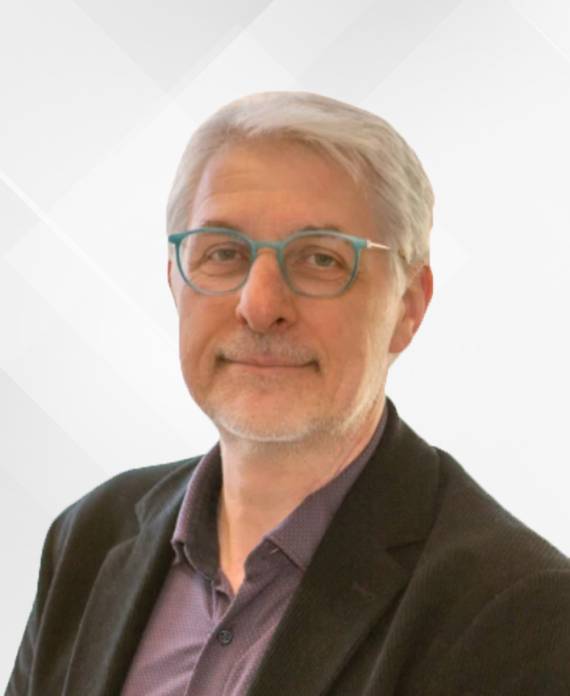
Ulrich Schneckener is a Professor of International Relations and Peace and Conflict Studies at the University of Osnabrück in Germany. He also serves as Chair of the Board of the German Foundation for Peace Research. He is an expert in EU security, enlargement policy, and neighbourhood policy. His current research focuses on the broader international and security implications of Russia’s war of aggression, with a particular regional interest in Ukraine, Moldova, Poland, and Romania.

Prof. Ulrich Schneckener
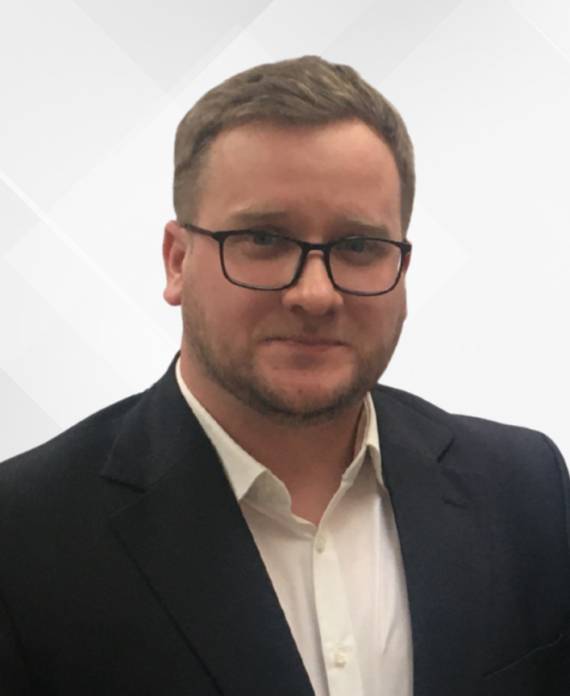
Dr Wojciech Lieder – Founder, initiator, and President of the Nordic Institute Foundation. For the past 20 years, he has been conducting research on the Nordic region, combining academic expertise with practical experience. He studied at the University of Łódź, Malmö University, Stockholm University, and the University of Southern Denmark in Odense, and gained professional experience at institutions such as State Street Bank, PwC, and Amazon. Doctor of Social Sciences.

Dr Wojciech Lieder
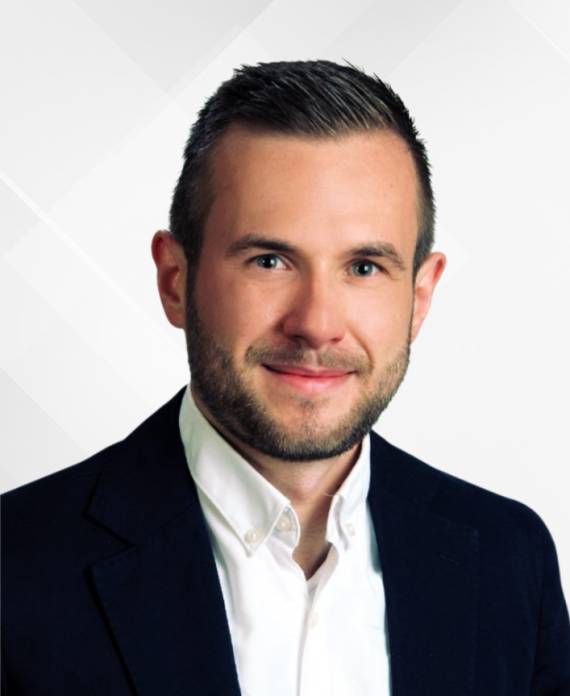
Dr. Julian Pawlak is a researcher at the International Security Division of German Institute for International and Security Affairs and a NextGen Associate Fellow at the NATO Defence College. His expertise covers security and defense policy, maritime strategy, and strategic studies, with a focus on NATO’s northern flank, the Baltic Sea region, and Northern and Eastern Europe. Previously affiliated with Helmut Schmidt University, GIDS, and Kiel University, he has authored numerous publications and frequently contributes analysis to leading international media, including The New York Times, Foreign Policy, El País, SPIEGEL, and WIRED.

Dr Julian Pawlak

Organizer

Strategic partner

The project was co-financed by the Władysławowo Commune

September 3, 2026

Władysławowo, Polska

Useful information

By Car:
From Germany – the new, scenic Kaszuby Route (expressway S6) awaits you.

By Ferry:

  • To Świnoujście from Ystad, Trelleborg, or Malmö (POLSCA, FINNLINES), then join your friends from Germany on the S6.
  • To Gdynia from Karlskrona (Stena Line) or to Gdańsk from Nynäshamn (POLSCA).
    In every case, the scenic Route 216 will welcome you just before Władysławowo.

By Plane:
Gdańsk Airport – Lech Wałęsa Airport – the very essence of freedom. From there, you can reach Władysławowo by public transport (tickets on koleo.pl) or by Uber/Bolt.

By Bike:
For an even bigger adventure, two international cycling routes await: EuroVelo 10 (Baltic Sea Cycle Route) and EuroVelo 13 (Iron Curtain Trail).

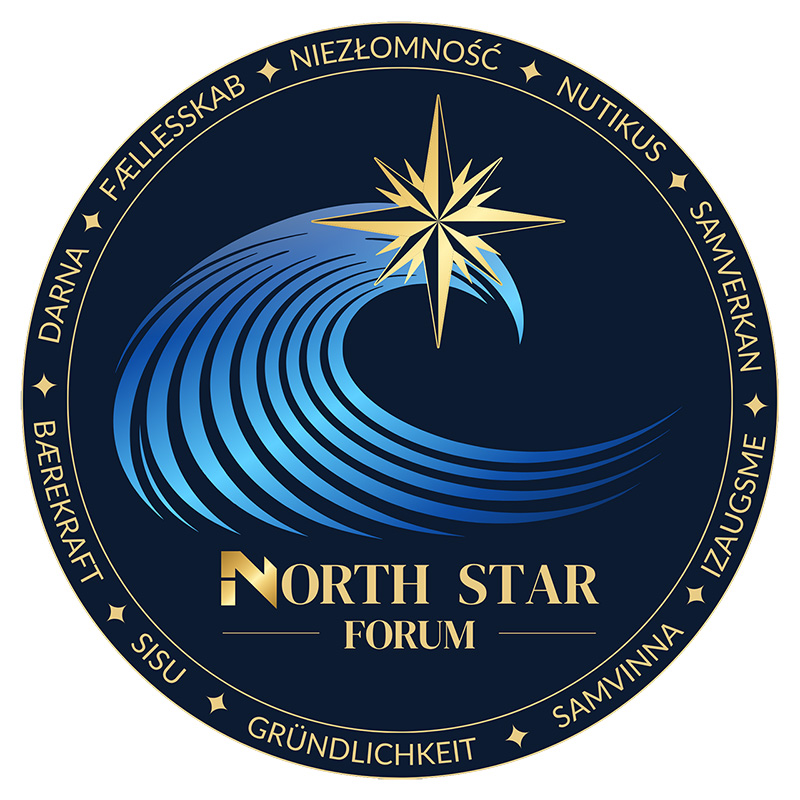
The North Star Forum logo represents the unity of ten countries across the Baltic Sea and Northern region, grounded in shared values and solidarity in the face of emerging threats. Its central element is a wave composed of ten lines – each representing a country and its contribution to a common structure. Its clear eastward direction reflects vigilance and readiness to act, while the contour itself draws from geography, echoing the coastline of Northern Pomerania and the Hel Peninsula.

At the crest of the wave stands the North Star – a traditional symbol of orientation and direction. Its center points to the Municipality of Władysławowo, the northernmost municipality in Poland. This is no coincidence. It is a deliberate indication of Poland as a space open to the North – an invitation to cooperation and deeper regional ties across the Baltic Sea area.

The strength of this cooperation is expressed through a ring of ten concepts in national languages. Each of them is not a slogan, but a reflection of experience and a distinct way of operating.

Poland stands for NIEZŁOMNOŚĆ – resilience in defending principles under pressure. Estonia brings NUTIKUS, a practical intelligence and the ability to adapt quickly. Sweden represents SAMVERKAN – a model of cooperation between institutions and society that translates into real state capacity. Latvia’s IZAUGSME reflects growth driven by consistency and the effective use of limited resources. Iceland’s SAMVINNA stands for solidarity that, in smaller communities, becomes a real mechanism of shared responsibility. Germany’s GRÜNDLICHKEIT contributes discipline and operational precision. Finland’s SISU represents mental resilience and the ability to act under difficult conditions. Norway’s BÆREKRAFT reflects long-term thinking and balance between development and responsibility. Lithuania’s DARNA emphasizes coherence and harmony in decision-making, while Denmark’s FÆLLESSKAB completes the picture as a deeply rooted sense of community and shared responsibility.

Together, they form a system of values that is not declarative, but a practical foundation for cooperation and for strengthening security across the region.

Partners & Sponsors

If your organization is interested in cooperation, please contact us at kontakt@instytutnordycki.com

Join the event

Join security leaders from across the region – expert panels, the latest trends, and networking all in one place. Register now!